Aden, (27 October 2026)
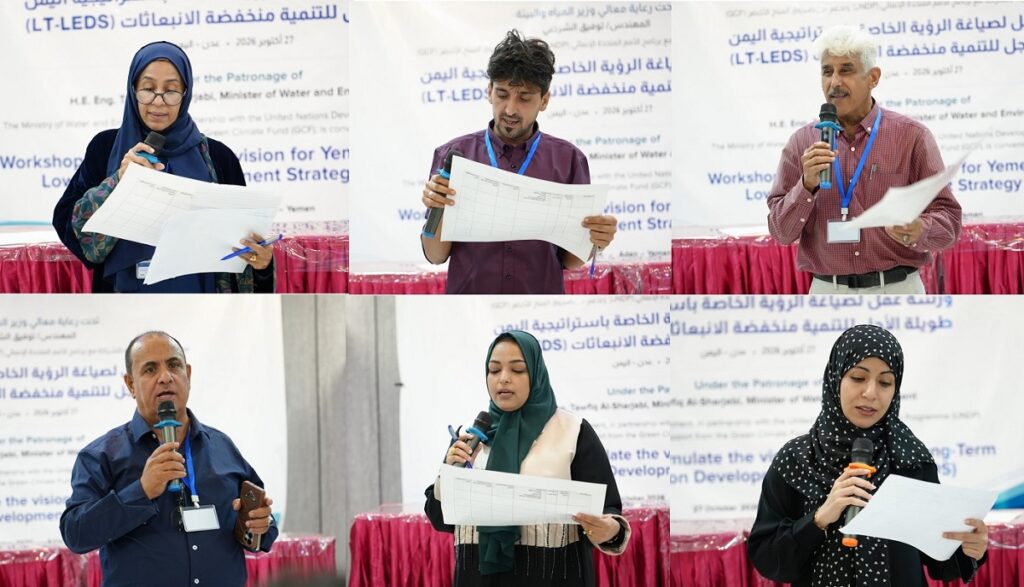
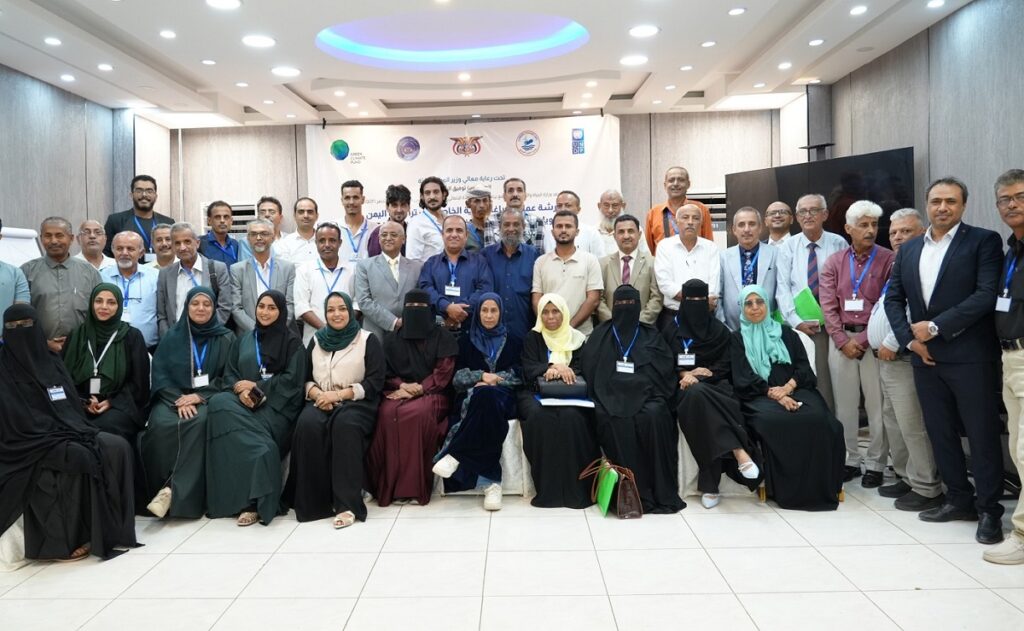
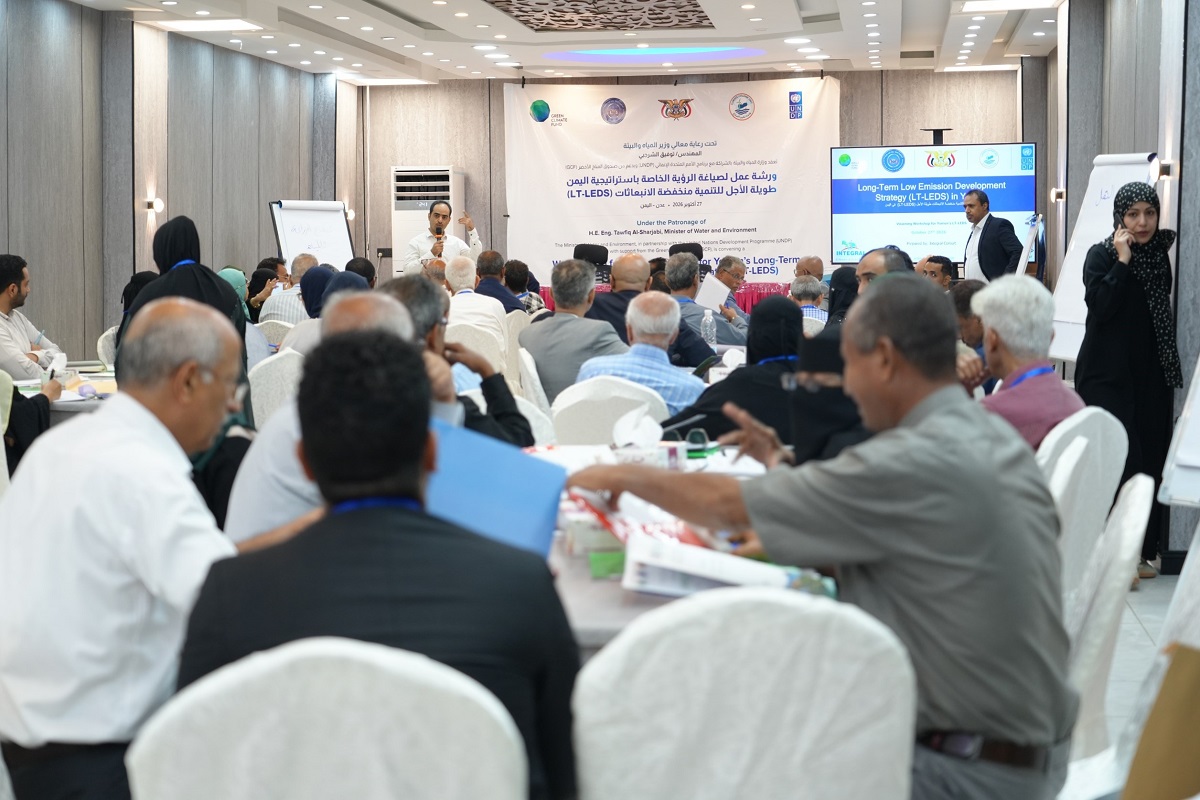
Under the patronage of His Excellency the Minister of Water and Environment, Eng. Tawfiq Al-Sharjabi, the first workshop to formulate the future vision of the Long-Term Low Emission Development Strategy (LT-LEDS) was held in Aden on Tuesday, October 27, 2026, with the participation of representatives from ministries, government institutions and relevant national authorities.
The workshop was organized as part of the project “Supporting Yemen to Develop its Long-Term Low-Emission Development Strategy (LT-LEDS) and Measurement, Reporting and Verification (MRV) System for Climate Finance and Support Received.” The project is funded by the Green Climate Fund (GCF) through its Readiness and Preparatory Support Programme and implemented by the United Nations Development Programme (UNDP), in partnership with the Ministry of Water and Environment (MoWE).
Integral Consult, in partnership with its national partner, Holm Akhdar for Environmental Studies & Consultancy (HAESC), is carrying out the consultancy work for the preparation of this strategy, including managing and facilitating consultations and workshops with stakeholders related to the strategy.
This workshop brought together 53 participants representing 22 government entities, including ministries, public authorities, and institutions.
 Setting the Strategic Direction for Yemen’s LT-LEDS 2055
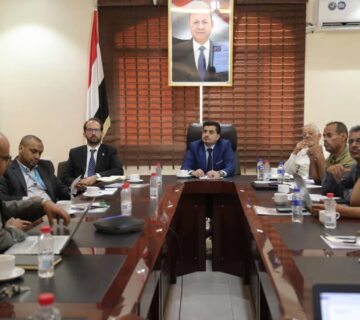
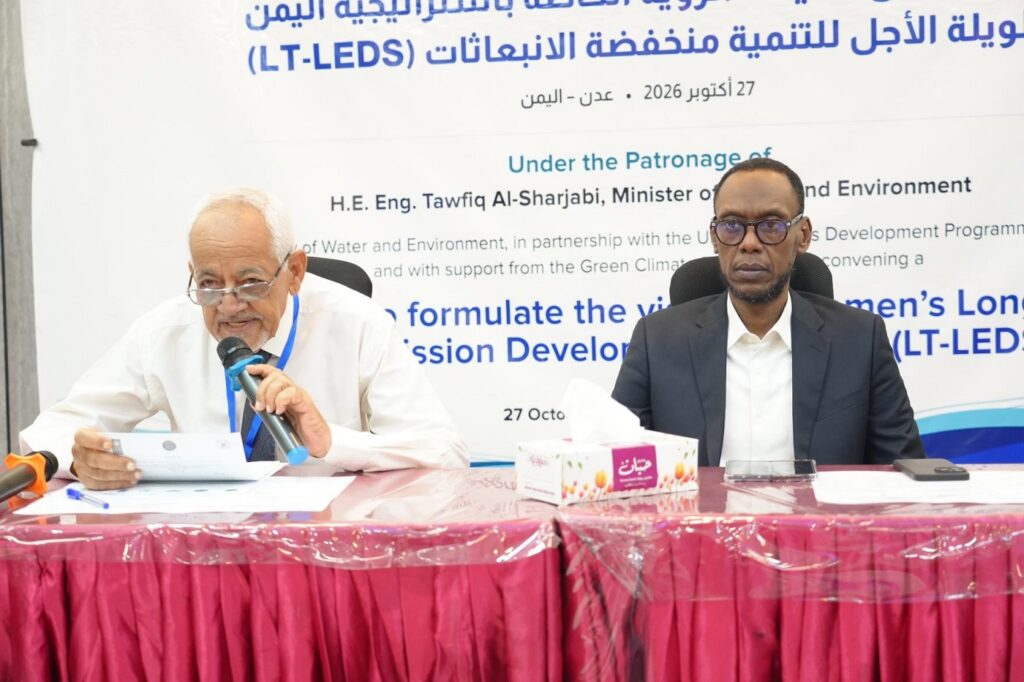
The opening session featured remarks by Eng. Najib Noman, Undersecretary of the Ministry of Water and Environment for the Water Sector, who welcomed representatives of the participating government entities and highlighted the importance of the workshop in identifying strategic and sectoral priorities to guide the development of Yemen’s LT-LEDS until 2055.
He noted that “the strategy would be developed in alignment with Article 4, paragraph 19, of the Paris Agreement, Yemen’s Nationally Determined Contributions (NDC 3.0), and national development priorities and economic recovery objectives”.
“The objectives of this strategy reflect national aspirations and economic, social and environmental priorities. It aims to shape the key elements of a long-term national vision and establish pathways for low-emission development through 2055,” Eng. Noman stated.
Mr. Abdul Moneim Mustafa, Director of the UNDP Office in Aden, also addressed the workshop, emphasizing the importance of developing a shared national vision to guide Yemen’s long-term development pathways.
“On behalf of the UNDP team in Yemen, I am delighted to be with you today in this important workshop to develop the vision for Yemen’s long-term low-emission development strategy, which will chart long-term national pathways in Yemen until 2055,” Mustafa said.
“I would like to express UNDP’s appreciation to the Ministry of Water and Environment, the Environmental Protection Authority and the Ministry’s Climate Change Unit for their national leadership of this important project for Yemen,” Mustafa added, noting that UNDP’s role is to support this nationally led process, which is funded by the Green Climate Fund.
 Five Sectors Identify Initial Priorities
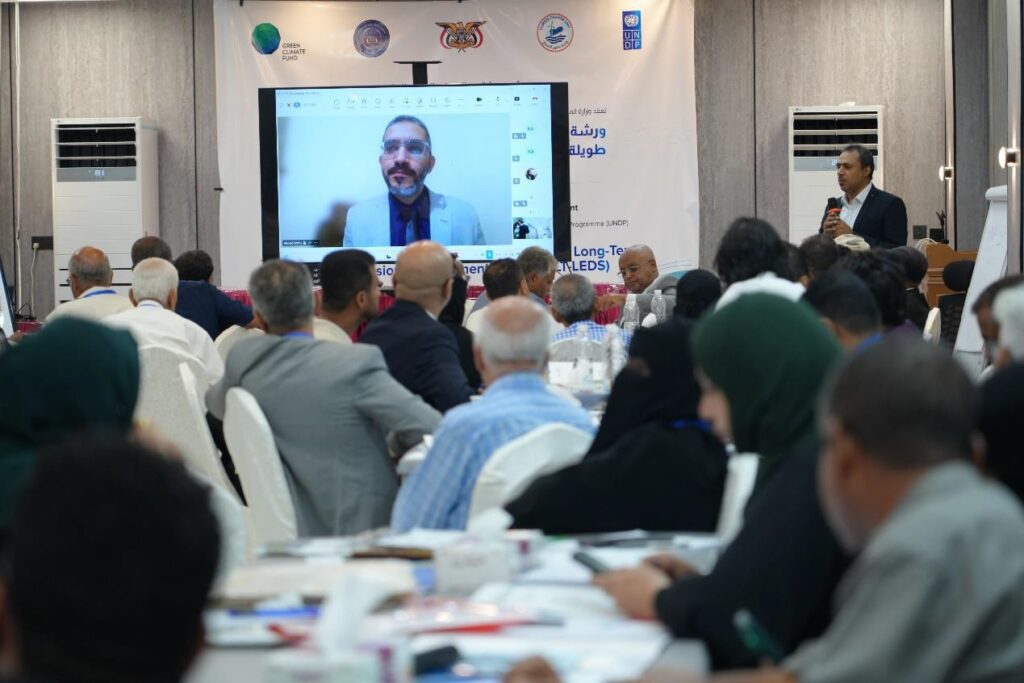
Following the opening session, Dr. Ahmed Wafiq, environmental expert and CEO of Integral Consult, delivered a technical presentation, introducing the LT-LEDS development process, its overarching and specific objectives, scope, and proposed methodology.
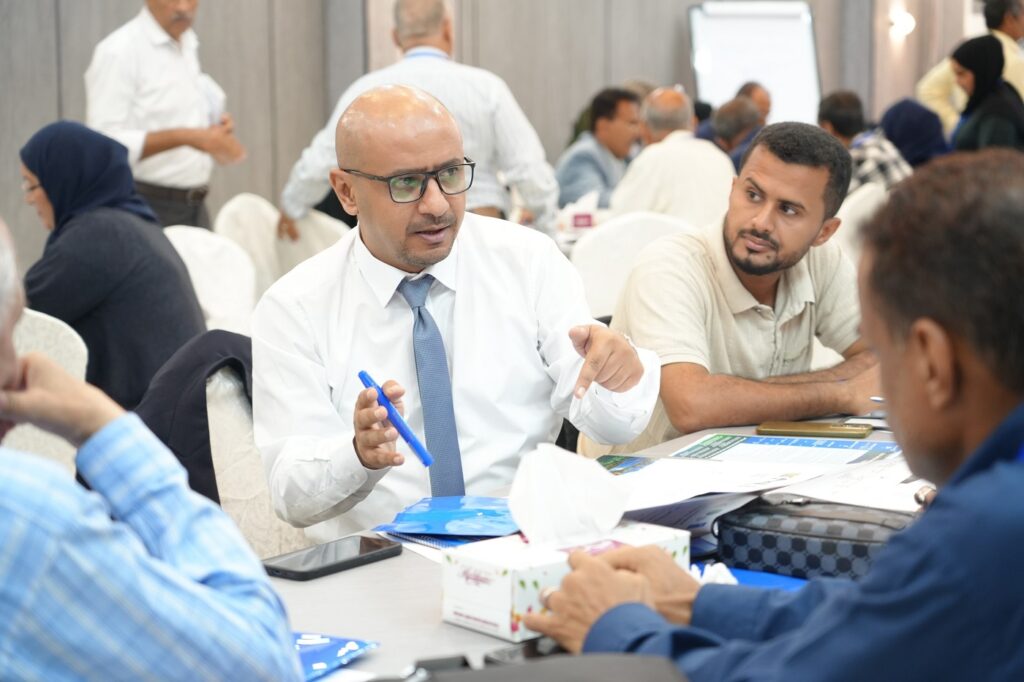
The presentation was followed by an interactive discussion during which participants shared their initial perspectives, expectations and priorities for Yemen’s long-term low-emission development pathways.
Participants were divided into five sectoral working groups covering: Energy sector, Transport sector, Industry sector, Agriculture, Forestry and Other Land Use (AFOLU) sector, and Waste sector:
Discussions focused on developing a shared preliminary vision for low-emission development across these sectors, while linking climate action with Yemen’s broader development and economic recovery priorities.
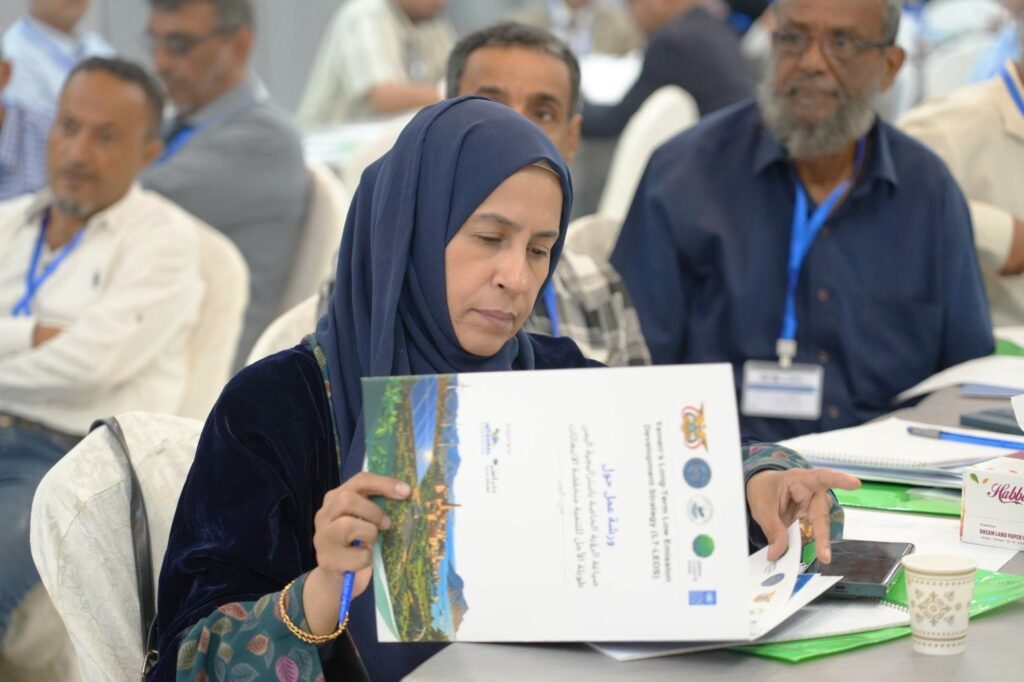 The workshop represents an important initial step in the development of a national LT-LEDS grounded in Yemen’s specific circumstances and development priorities. It also contributes to building a shared understanding among government stakeholders of the strategy’s objectives, scope and methodology, as well as its links with the NDC 3.0 and relevant national development plans and sectoral strategies.
Through its 2055 horizon, Yemen’s LT-LEDS aims to integrate climate action into long-term national development planning and economic recovery, while identifying opportunities for a transition towards a more sustainable, climate-resilient and low-emission economy that takes into account the country’s economic, social and environmental challenges.